


Estate planning for blended families in California calls for more than a standard will or trust. When a marriage brings together a spouse and children from a previous marriage, a plan built for a traditional family can leave someone out. The right plan accounts for both relationships from the start, so no one is left guessing where they stand.
What is a blended family in estate planning?
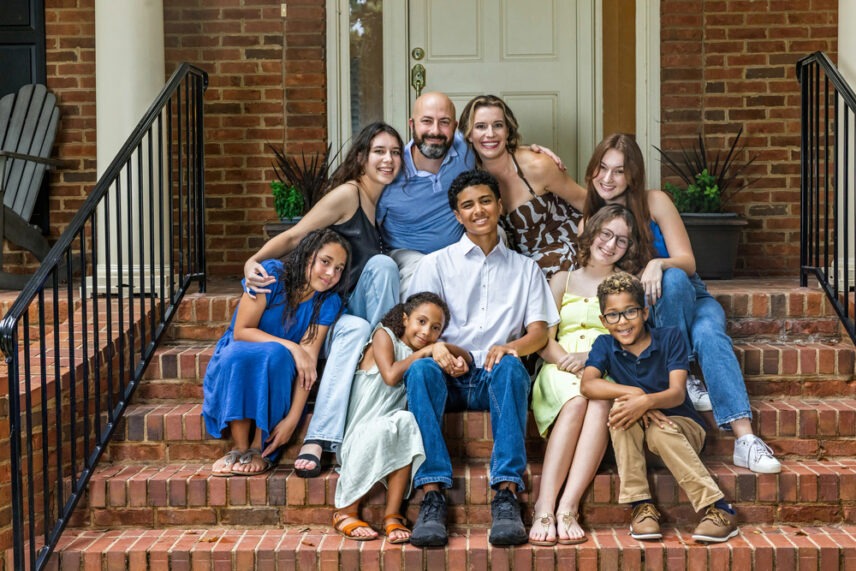
A blended family typically includes spouses who each bring children from a prior marriage into a new household, along with any children the couple has together. Estate planning for blended families recognizes that not every family member is automatically provided for under a standard plan.
Why blended families need a different plan
A plan for a first marriage often assumes a surviving spouse will pass everything to shared children. That assumption breaks down in a blended family. A stepparent has no legal obligation to provide for a spouse’s children from an earlier relationship, and a child can be left out if the spouse later changes their own plan.
The risk of leaving everything to your spouse
Leaving all assets to a surviving spouse outright feels natural, but it carries real risk in a blended family. The spouse has no legal duty to leave anything to your children from a previous marriage. If they remarry or change their will, your children could receive nothing, regardless of what you intended.
Common goals when estate planning for blended families
Most couples build blended family estate planning around a few shared goals: protecting a surviving spouse, preserving an inheritance for children from previous relationships, and keeping each spouse’s separate property clearly identified.
Providing for a surviving spouse
A well-built plan gives a surviving spouse enough income and security to maintain their standard of living without full control of every asset. A QTIP trust (Qualified Terminable Interest Property) lets a spouse benefit from trust assets during their lifetime while the remaining principal passes to your children. For the family home specifically, pairing a QTIP with a life estate lets a spouse live there for life while preserving the home for your children, though a parent-child transfer must meet Proposition 19’s requirements to avoid property tax reassessment.
Protecting children from a previous marriage
Protecting children from a previous marriage usually means directing certain assets, such as real estate, retirement accounts, or life insurance, to pass to them directly or through a trust, rather than relying on your spouse to pass those assets along later. Retirement accounts deserve extra attention: federal law automatically entitles a surviving spouse to a 401(k) unless they sign a notarized waiver, while an IRA funded before the marriage can generally go to your children without your spouse’s consent.
Keeping separate property separate
Property you owned before the marriage, or received individually by gift or inheritance, is separate property under California law. Once it mixes with community funds, it can lose that separate character, and California law requires a written transmutation to intentionally change property between separate and community. A revocable trust can hold separate property while keeping it clearly documented and traceable, which helps avoid the tracing disputes that arise from commingled accounts.

Trust options for blended families in California
Choosing the right type of trust matters as much as deciding what to leave your loved ones. Each option below balances a surviving spouse’s needs against your children’s inheritance differently.
QTIP trust and marital trust explained
A qualified terminable interest property (QTIP) trust lets a surviving spouse receive income from trust assets for life, while you control who receives the principal, typically your children from a prior marriage. A QTIP trust can also qualify for the marital deduction, which helps manage estate taxes. A standard marital trust gives the spouse more flexibility, including the ability to redirect principal to different beneficiaries, while a QTIP trust locks in your children as the final beneficiaries. Couples often pair this with a simple pour-over will to catch any assets left outside the trust.
Using a revocable living trust to control distribution
A revocable living trust lets you set specific terms for how and when assets reach each beneficiary. You can direct that a spouse receives support for life while children from a prior marriage receive a defined share afterward, or split assets immediately between them.
How a life estate can balance competing interests
A life estate allows a surviving spouse to live in the family home for their lifetime, with the property passing to your children afterward. This works well when the home is the main asset you want to preserve for children from a previous marriage.
How California community property affects blended families
California’s community property system shapes what you can and cannot do in a blended family estate plan. Understanding what belongs to the marriage and what belongs to you individually is the starting point for every decision that follows.
Community property vs. separate property
Community property generally includes income and assets acquired during the marriage, owned equally by both spouses. Separate property includes what you owned before the marriage, along with gifts and inheritances received individually. Keeping these categories distinct protects your children’s inheritance from being treated as a shared marital asset.
What you cannot do: community property and the omitted spouse rule
California does not recognize a spousal elective share. Instead, you already own only one half of community and quasi-community property, so you cannot leave 100% of a community asset to your children. California’s omitted spouse rule, under Probate Code sections 21610 through 21611, adds a second protection: a spouse you married after signing your documents can claim a statutory share if you never updated them, your half of the community property plus up to half of your separate property.
Choosing the right trustee for a blended family
The person you name as trustee carries significant responsibility in a blended family estate plan. This choice often determines whether your children and your spouse trust the process or end up in conflict.
Why naming your spouse as sole trustee can backfire
Naming a spouse as sole trustee gives them full control over distributions to your children, which can create resentment or conflicts of interest, particularly if the spouse also has children of their own. Even a well-intentioned spouse may make decisions your children view as unfair, with no one checking those decisions.
When to consider a corporate or neutral trustee
A corporate trustee, or a trusted individual with no personal stake in either side of the family, can administer the trust impartially. This works well when there is tension between a spouse and children from previous relationships, or when the estate is large enough to justify professional administration. Alternatively, naming a co-trustee pair, such as your spouse alongside one of your adult children, can ensure both sides of the family have a seat at the table.
Coordinating beneficiary designations and prenuptial agreements
A trust only controls the assets placed inside it. Retirement accounts, life insurance policies, and payable-on-death bank accounts pass according to their own beneficiary designations, regardless of what your trust says, so review these whenever you remarry. A prenuptial or postnuptial agreement can define separate property in writing, but protecting that property if you become incapacitated depends on your durable power of attorney. Customizing it to limit a spouse’s financial authority, or to name a neutral co-agent, helps protect your children’s interests if a conflict arises.

Mistakes to avoid in blended family estate planning
Common mistakes include relying on an outdated will from before the current marriage, naming a spouse as sole beneficiary without conditions, and failing to update beneficiaries after remarriage. Couples planning for second marriages often assume verbal promises between a spouse and children will be honored later, but without documentation, there is no legal obligation to follow through. If you and your spouse share a business, similar gaps can affect business succession planning. Skipping a conversation about separate property before combining finances is another costly oversight.
Talk to an estate planning attorney at Ellingson Law
Thoughtful family estate planning protects the people you love without leaving anyone’s future to chance. At Ellingson Law, APC, we help couples throughout Chico and Butte County build a plan that provides for a surviving spouse and protects children from a previous marriage. Contact our office to schedule a consultation and create an estate plan built around your family’s situation.
Frequently Asked Questions
How do I protect my children from a previous marriage in my estate plan?
The most reliable way to protect children from a previous marriage is to leave assets to them directly through a trust, rather than relying on a surviving spouse to pass property along later. A QTIP trust lets your spouse benefit from assets during their lifetime while guaranteeing the remaining principal passes to your children afterward. You can also name your children as direct beneficiaries on retirement accounts, life insurance policies, and specific real estate. If tension exists between a spouse and children from previous relationships, a neutral corporate trustee can add an extra layer of protection.
What is a QTIP trust and how does it help blended families?
A QTIP trust, or qualified terminable interest property trust, is designed specifically for blended families and second marriages. It allows your surviving spouse to receive income from the trust assets, and in some cases, limited access to principal, for the rest of their life. When the spouse dies, the remaining trust assets pass to the beneficiaries you originally named, typically your children from a prior marriage. A QTIP trust can also qualify for the marital deduction, reducing exposure to estate taxes. This structure is popular in estate planning for second marriage situations because it supports your spouse for life while protecting your children’s inheritance.
Do stepchildren inherit automatically in California?
No. Under California law, stepchildren do not automatically inherit from a stepparent unless the estate plan specifically names them or unless a limited legal exception called equitable adoption applies, which is rare and fact-specific. Without a will, trust, or beneficiary designation naming a stepchild, that child generally receives nothing under California’s intestate succession rules, even after years of being raised as family. This is one of the most overlooked risks in blended family estate planning. If you want a stepchild to inherit alongside your own children, your trust or will must say so explicitly.
Can I disinherit my spouse in California?
Not entirely. California is a community property state, so your spouse already owns one half of the community and quasi-community property acquired during the marriage, regardless of what your will or trust says. You can direct your own separate property away from your spouse, but you cannot cut them out of an ownership share they already hold. If you marry after signing your documents and never update them, the omitted spouse rule under the California Probate Code may also entitle your new spouse to a portion of your estate. A prenuptial or postnuptial agreement is the primary way to change these default protections.
Who should be the trustee in a blended family estate plan?
There is no single right answer, but the choice matters more in a blended family than in a traditional one. Naming your spouse as sole trustee gives them full authority over distributions to your children, which can create conflict if their interests do not align. Naming one of your children instead can create the opposite tension with your spouse. Many blended families choose a neutral third party, such as a corporate trustee, to administer the trust impartially. This is worth considering when the estate is large or relationships between a spouse and children from a previous relationship are strained.